
Shawarma Kiosk
Advertisement
Games Overview
Shawarma Kiosk APK is a Roblox psychological horror game blending late-night food service with unsettling anomalies, tense observation gameplay, and creeping dread.
Table of Contents
Shawarma Kiosk: A Psychological Horror Experience on Roblox
Shawarma Kiosk is a psychological horror game on Roblox that has quietly captured the attention of players, streamers, and horror enthusiasts alike. At first glance, the concept seems almost mundane: you work a night shift selling shawarma in a small roadside kiosk. There are no monsters chasing you, no obvious threats, and no cinematic jump scares designed to shock you every few minutes. Instead, Shawarma Kiosk relies on something far more disturbing: subtlety, atmosphere, and the slow realization that something is deeply wrong.
This game stands out because it transforms an ordinary job into a stage for psychological tension. By combining a cooking simulator with anomaly-based horror mechanics, Shawarma Kiosk creates an experience that feels familiar yet profoundly unsettling. Much like titles such as The Closing Shift or I’m on Observation Duty, it builds fear through repetition, observation, and the gradual breakdown of what you think you understand.
The Core Concept of Shawarma Kiosk
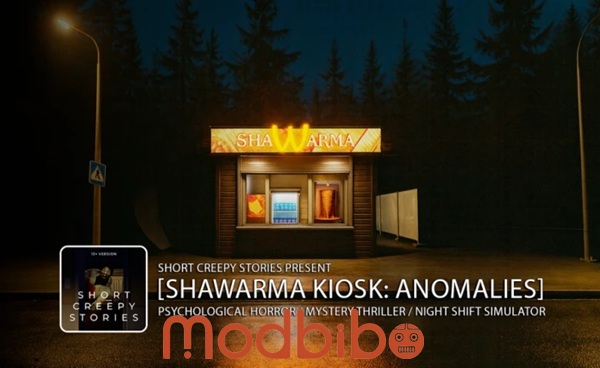
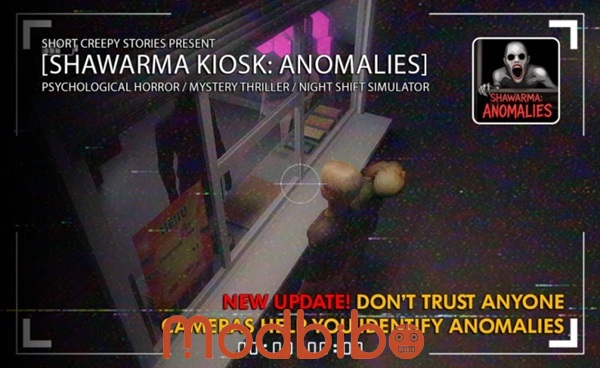
Shawarma Kiosk places you in the role of a late-night shawarma vendor working alone in a small kiosk. The setting is deliberately simple. You have a counter, cooking tools, ingredients, and a window through which customers appear. Outside, the world feels quiet, empty, and vaguely oppressive, especially during the night shift.
Your job is straightforward on paper. Customers arrive and place orders. You prepare shawarma according to their requests and serve them. This familiar loop resembles many casual Roblox games focused on food service or time management. However, Shawarma Kiosk subverts expectations by layering horror elements into this routine.
As you repeat the same actions again and again, the environment begins to change in subtle ways. Objects may not be where you left them. Lighting may flicker or shift unnaturally. Sounds may play at the wrong time or from the wrong direction. Customers may behave strangely, speak in cryptic or unsettling dialogue, or stare at you for too long.
These changes are known as anomalies, and detecting them is the true challenge of the game.
Anomaly Detection as Psychological Horror
One of the defining mechanics of Shawarma Kiosk is anomaly detection. Unlike traditional horror games that rely on explicit threats, this game asks you to notice what feels off. The horror does not come from being attacked, but from the fear of missing something important.
Anomalies can appear in many forms. Sometimes an object in the kiosk changes shape, color, or position. Other times, the anomaly manifests through sound, such as distorted ambient noise or an unexpected silence. Lighting anomalies can be especially effective, as a single flickering bulb or an unnatural shadow can dramatically alter the mood of the space.
Advertisement
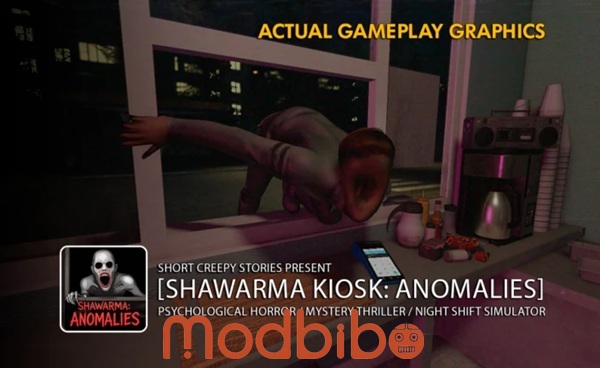
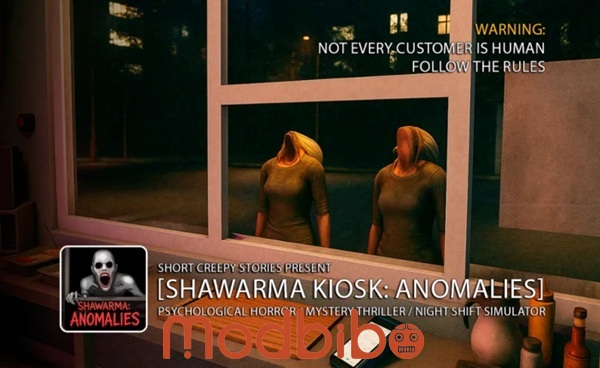
Customers themselves are often the most unsettling anomalies. A customer might repeat the same line of dialogue multiple times, speak in an oddly detached tone, or make a request that feels slightly wrong. In some cases, their appearance may subtly change, creating a sense of unease without clearly signaling danger.
The tension arises from uncertainty. You are never entirely sure whether what you noticed is truly an anomaly or just your imagination. This uncertainty mirrors real psychological fear, where the mind fills in gaps and amplifies doubt.
The Absence of Traditional Jump Scares
Shawarma Kiosk is notable for what it does not do. There are no constant jump scares designed to shock the player. While some startling moments may exist, they are not the primary tool of fear. Instead, the game relies on sustained tension.
This design choice is critical to its psychological impact. Jump scares provide immediate adrenaline but often fade quickly. Shawarma Kiosk aims for a slower, more enduring unease. The fear lingers because the game encourages you to stay alert at all times, even during moments when nothing seems to be happening.
The repetitive nature of the job reinforces this feeling. Each new customer could be normal, or they could be the beginning of something deeply unsettling. Each moment of calm carries the possibility of disruption.
A Familiar Space That Feels Wrong
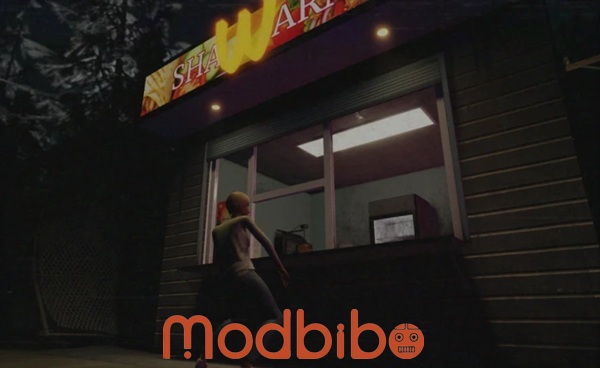
The kiosk itself is a central character in the game. It is small, cramped, and initially predictable. Over time, however, it begins to feel like a trap. The confined space amplifies every change, making even small anomalies feel significant.
This sense of a familiar space becoming hostile is a hallmark of psychological horror. Players grow accustomed to the layout, the tools, and the routine. When something changes, it feels like a violation of that comfort. The kiosk no longer feels safe, even though nothing explicitly threatens you.
The looping structure of the game reinforces this effect. Each shift feels similar to the last, but never exactly the same. This creates a dreamlike quality, where time seems distorted and progress feels uncertain.
The Role of Sound and Silence
Sound design plays a crucial role in Shawarma Kiosk’s atmosphere. Ambient noise, such as distant traffic or the hum of equipment, creates a baseline of realism. When these sounds change or disappear, the absence becomes unsettling.
Silence is often more frightening than noise. Moments where the background sound abruptly cuts out can create intense discomfort. Players become hyper-aware of every small noise, from footsteps to the rustle of ingredients.
Occasionally, strange or distorted sounds may play without explanation. These audio anomalies contribute to the feeling that the environment itself is unstable.
Storytelling Through Implication
Shawarma Kiosk does not rely on explicit storytelling or lengthy exposition. Instead, it tells its story through implication. Dialogue from customers, environmental details, and recurring themes hint at something darker beneath the surface.
Players are encouraged to piece together meaning from fragments. Why do some customers seem to know too much about you? Why does time feel inconsistent? Why does the kiosk feel disconnected from the outside world?
This form of storytelling respects the player’s intelligence and imagination. By leaving gaps in the narrative, the game allows fear to grow organically in the player’s mind.
The Consequences of Failure
Failing to detect anomalies in Shawarma Kiosk can lead to unsettling outcomes. These consequences are often vague and disturbing rather than overtly violent. The game may escalate the intensity of anomalies, alter the environment further, or introduce more disturbing customer behavior.
The fear of failure is a powerful motivator. Players know that missing something important can make the situation worse, but they are not always sure what they missed. This reinforces a constant state of vigilance and anxiety.
Why Shawarma Kiosk Appeals to Streamers
Shawarma Kiosk has become popular among streamers and content creators for several reasons. First, its slow-burn horror translates well to live reactions. Viewers enjoy watching streamers question their own perceptions and react to subtle changes.
Second, the game encourages discussion and speculation. Stream chats often become involved in spotting anomalies, debating whether something has changed, and predicting what might happen next.
Finally, the game’s length and pacing make it ideal for streaming sessions. It does not require extreme skill or fast reflexes, allowing streamers to focus on commentary and interaction.
Advertisement
The Appeal of Mixing Cooking Games and Horror
One of the most intriguing aspects of Shawarma Kiosk is its blend of genres. Cooking and food service games are typically associated with relaxation, routine, and casual fun. By placing horror elements into this framework, the game creates a strong contrast.
This contrast makes the horror more effective. Preparing shawarma is a grounding activity, something ordinary and mechanical. When something strange happens in the middle of this routine, it feels more jarring than it would in a traditional horror setting.
The act of serving customers also adds a layer of social tension. You are expected to be polite and efficient, even when the situation feels increasingly uncomfortable.
Visual Simplicity and Psychological Impact
Shawarma Kiosk does not rely on high-end graphics or complex visual effects. Its visual style is relatively simple, consistent with many Roblox games. However, this simplicity works in its favor.
Because the visuals are restrained, small changes become more noticeable. A slightly altered texture, a misplaced object, or an unusual character animation stands out more clearly. The player’s attention is drawn to details that might otherwise be overlooked.
This approach demonstrates that psychological horror does not require realism or gore. It requires careful control of expectation and perception.

The Search for Shawarma Kiosk APK
Despite being a Roblox game, the keyword Shawarma Kiosk APK has gained traction online. This reflects a broader trend where players search for mobile or standalone versions of popular Roblox experiences.
The interest in Shawarma Kiosk APK suggests that players want to experience this game outside the Roblox platform, particularly on mobile devices. While this article does not cover downloads or installations, the keyword itself highlights the game’s growing popularity and cross-platform appeal.
It also speaks to the demand for more psychological horror experiences that are accessible, lightweight, and focused on atmosphere rather than technical complexity.
Influences and Comparisons
Shawarma Kiosk is often compared to games like The Closing Shift and I’m on Observation Duty. These titles share a focus on mundane settings, repetitive tasks, and anomaly detection.
However, Shawarma Kiosk distinguishes itself through its cultural flavor and specific setting. The shawarma kiosk is not a common horror backdrop, and its uniqueness adds to the game’s charm. The setting feels grounded and relatable, which makes the horror more personal.
Why Shawarma Kiosk Works as Psychological Horror
The success of Shawarma Kiosk lies in its understanding of fear as a mental state rather than a reaction. The game does not tell you when to be afraid. Instead, it creates conditions where fear emerges naturally.
By forcing players to observe, remember, and question their surroundings, the game engages the mind as much as the senses. The result is a lingering unease that persists even after the game is turned off.
Final Thoughts
Shawarma Kiosk is a compelling example of how psychological horror can thrive within simple mechanics and familiar settings. By turning a late-night food service job into a tense and unsettling experience, the game proves that horror does not need spectacle to be effective.
Its emphasis on observation, subtle anomalies, and implied storytelling makes it stand out among Roblox horror games. The growing interest reflected in searches like Shawarma Kiosk APK further demonstrates its impact and appeal.
For players who enjoy slow-burn horror, atmospheric tension, and games that challenge perception rather than reflexes, Shawarma Kiosk offers an experience that is quietly disturbing and deeply memorable.